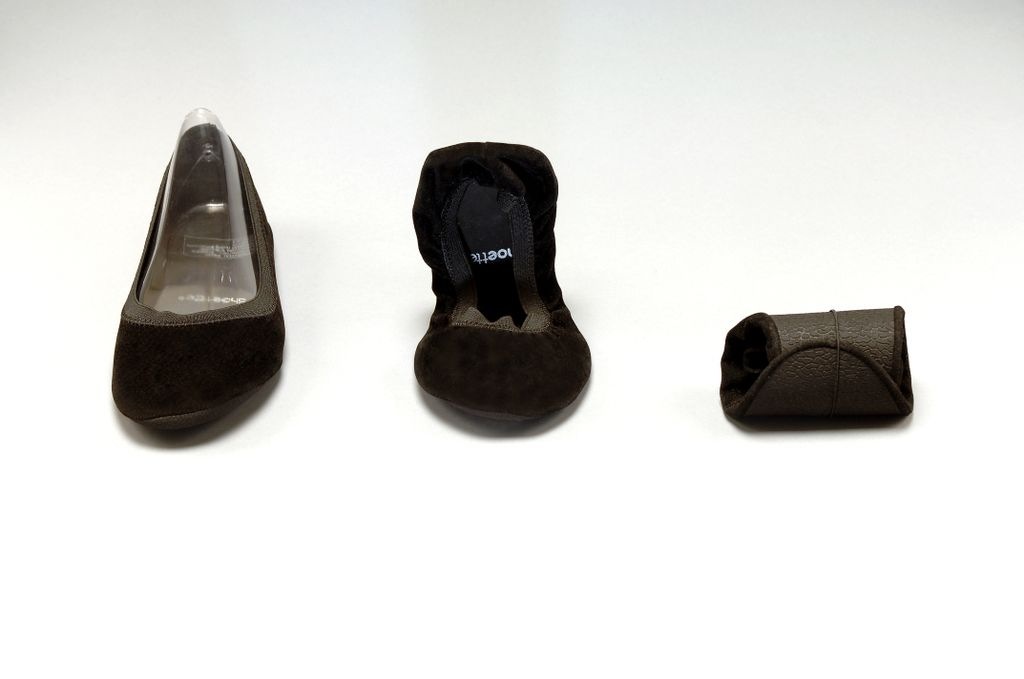
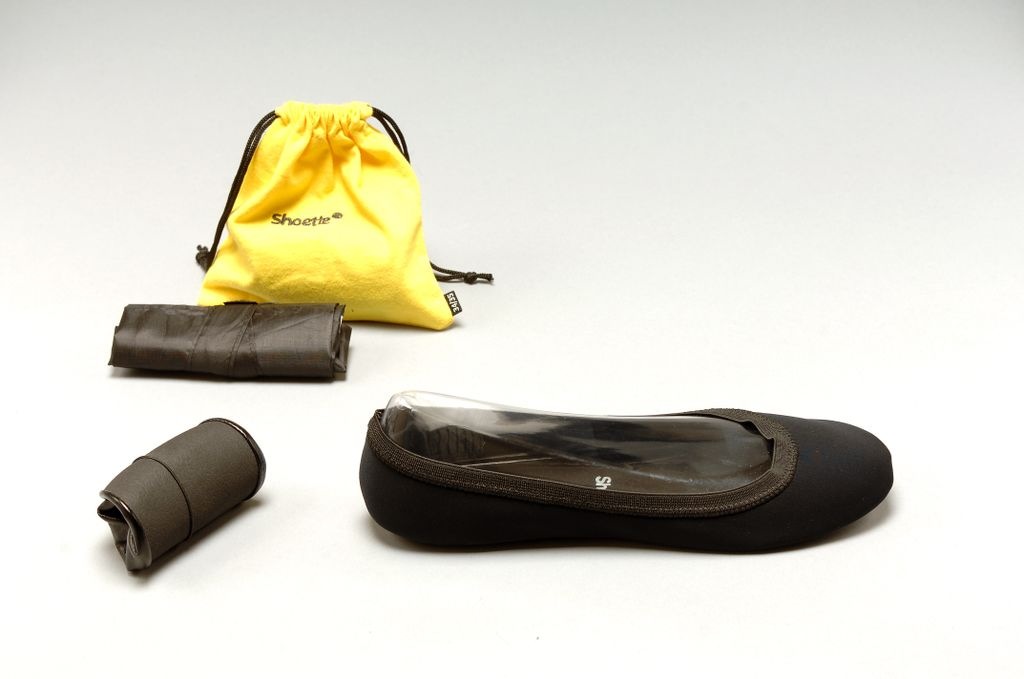
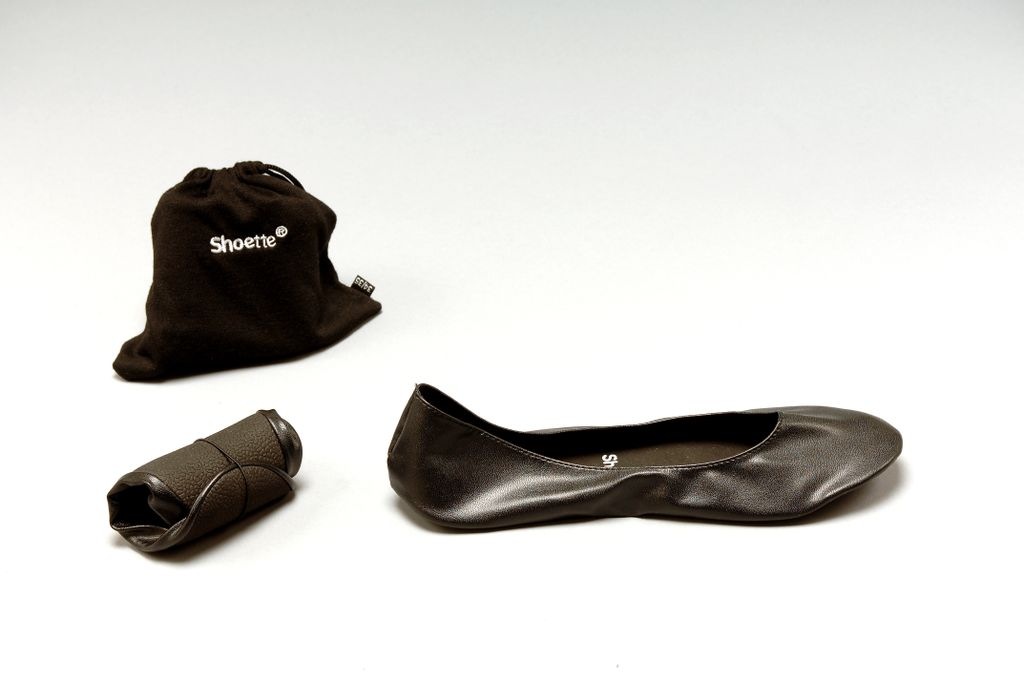
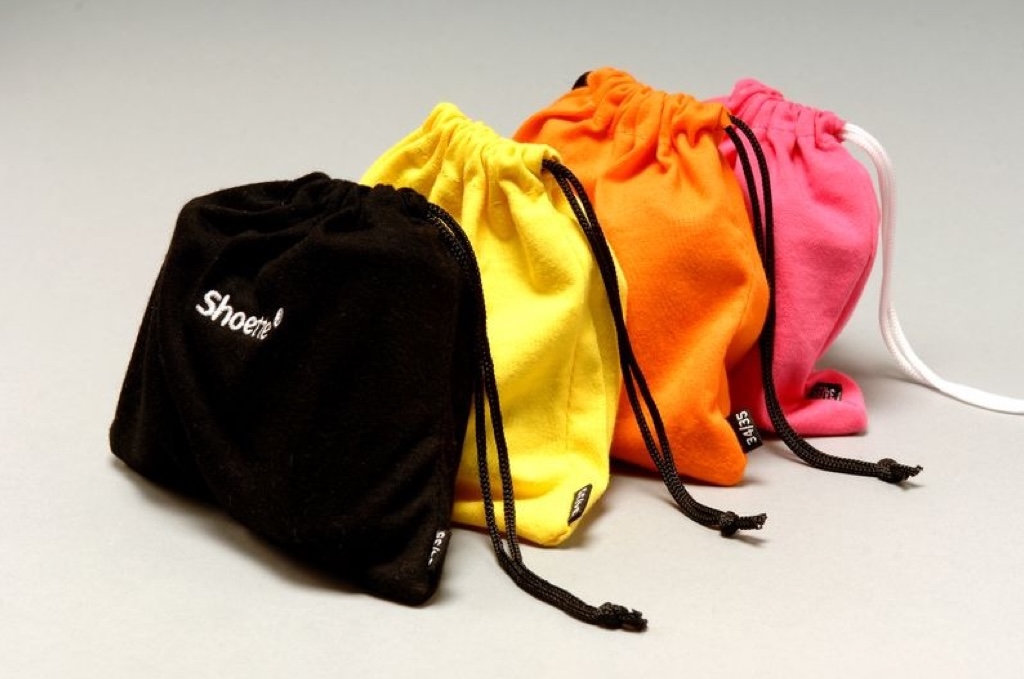
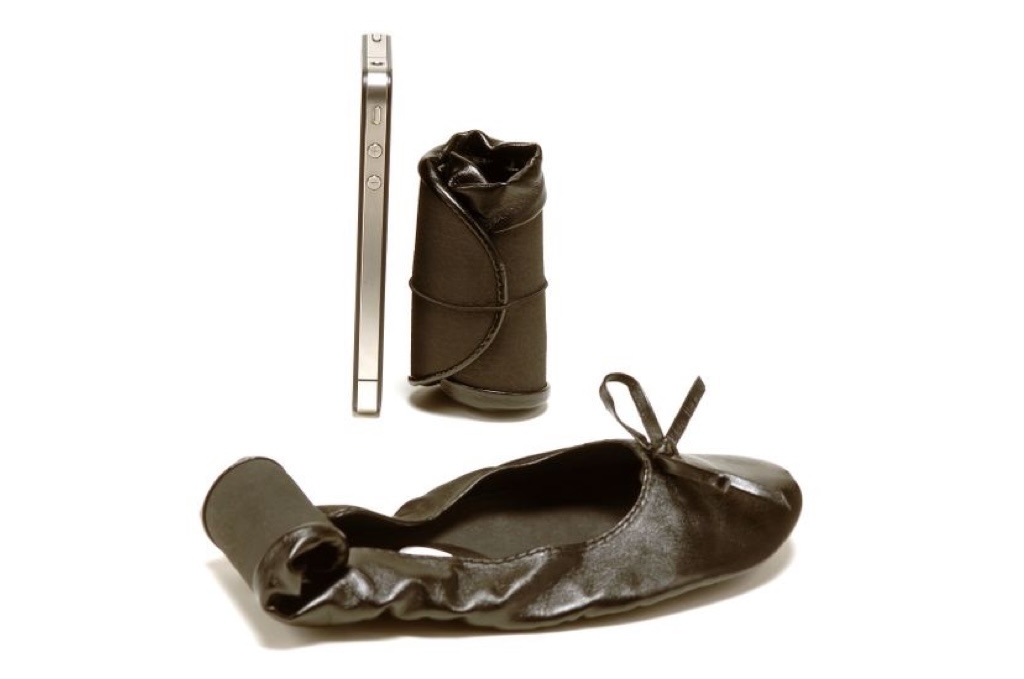
A look back at the entrepreneurial adventure of “the little ballerina that rolls up”, the discreet and comfortable ballerina that relieved the feet of thousands of women at the end of the night, from 2010 to 2014.
Launched in 2010, our brand set out to relieve women’s feet at the end of the night, when high heels became too painful.
In four years, we had the privilege of serving more than 20,000 loyal customers.
Today we have turned the page, but we remain grateful and proud to have experienced such a beautiful beginning. Thank you to all our customers, distributors, and partners for accompanying us.
First test sales in reception halls and nightclubs during ESCP Europe student parties in Paris. Strong traction with a 20% conversion rate, confirming the relevance of the concept.
Winner of the 2010 Innover et Entreprendre Prize, the prestigious ESCP Europe prize rewarding the most innovative entrepreneurial projects.
Shoette selected among the MoovJee 2010 laureates
Shoette wins 5 prizes at the Made in ESCP event
Shoette selected for the BFM Academy by BFM Business in 2013.
Shoette selected to represent young entrepreneurs at various conferences during the Salon des Entrepreneurs in Paris, for three consecutive years.
Initially, I was on my own. During my Master's in Entrepreneurship, the talented and efficient Nathalie Van Doorne supported me. I then continued alone and had the good fortune of meeting Léria Collaro - a reliable and outstanding young woman - with whom partnering quickly became an obvious choice.
We were one of the first and rare non-digital projects to convince Xavier Niel’s prestigious seed fund to back us. Many thanks to him and to Jeremie Berrebi for their trust and support.
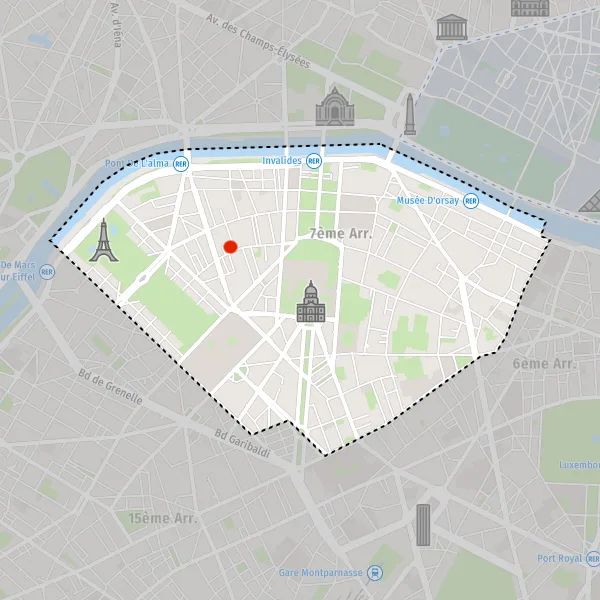
Shoette begins its distribution thanks to the Facile&Co store, Paris 7. Thank you Nicolas Feldkircher! They agreed to distribute us even though we had no packaging or barcodes, to help us test the concept. It was a success. They remained our distributors until the end.
Very quickly, we reached over 70 points of sale, ensuring availability at the places and times when women are most likely to experience foot discomfort. We would like to extend our sincere thanks to Annie-Paul Abhissira and Évelyne Platnic-Cohen, thanks to whom Booster Academy centers distributed Shoette near major metropolitan train stations.
One of the key outcomes of our participation in the BFM Academy was being spotted by Laure De Fabiani. Our thanks also go to her and to Eve Chegaray, whose support enabled us to secure around fifty additional points of sale in the ToDoToday corporate concierge shops strategically located in major office towers across France - particularly in La Défense.
Finally, we would like to thank the fifteen or so independent concept stores, cobblers, and pop-up stores who placed their trust in us.
Our points of sale in the United States were secured through direct, in-person outreach—going door-to-door without prior appointments during a personal trip. The result: two multi-brand clothing boutiques in Washington, D.C., and a cobbler in Manhattan, New York.
Through professional import partners, we also expanded our distribution to Germany, Austria, and Hungary.
Proof that we had identified a latent need, the replacement ballerina market, almost nonexistent in France at the start of 2010, developed. Massive communication from a competitor evangelized the market and benefited us; our positioning six times cheaper appealed. We developed a business for weddings and receptions and covered big events such as the 300th anniversary of Martell cognac at Versailles (Pernod Ricard). Fun fact, Shoette was even copied online! We found copies with our logo for sale on Alibaba for bulk orders (weddings and events).
We loved our partnership with Laval Mayenne Technopole! it proved to be an excellent channel for gathering customer feedback.
A substantial part of our efforts was devoted to identifying the right manufacturing partners—French factories, footwear designers, engineering firms, and any experts capable of bringing the V2 product we had envisioned to life. Unfortunately, the product we aspired to develop never materialized.
The operating result turned positive! an encouraging milestone and a success in its own right, despite volumes remaining too low to absorb fixed costs and, above all, to support the hiring needed for the company's normal development.
The rapid growth of our online business led to a complete shift in the company's strategy: inventory management, time dedicated to maintaining and developing the physical retail network, as well as packaging and in-store merchandising (POS), were all deprioritized. This direction gradually moved us away from our original vision. We faced the surge in order volumes, though, in retrospect, it was not the right long-term trajectory.
That said, this exciting and rewarding e-commerce experience ultimately became the foundation of my future career as a digital product manager (CPO).
2014. The business was running - not poorly enough to stop, but not well enough to justify continuing. We had reached our milestones, but with a two-year delay. The market was encouraging, but we were exhausted. We needed to hire people with specific skills, but after months of effort, we hadn’t found the right people. At the same time, we knew that moving forward with the ballerina we had in mind (an innovative rollable rubber soles, almost one-size-fits-all) would require several hundred thousand euros in R&D. The situation was no longer sustainable: we either had to raise at least €700K or stop. Severin, an entrepreneur friend asked me, “Is running Shoette the best thing you can do?”, the answer was no. We stopped.
On the day we officially decided to stop Shoette, I had a drink with Lucas, a Product Manager friend. An opportunity came up, and hop! two days later I was hired and started a new role. Partly due to lack of time, but mostly by choice, I did not complete the administrative steps required to formally close the company. Instead, I chose to fulfill orders on my own while the "long tail" of sales gradually tapered off.
What followed were five years of online sales - first daily, then weekly - without any team or active business development, holding onto the possibility of relaunching if I were to meet the right people with the missing skills.
In 2019, while pregnant with my first child, I finally decided to close the company properly. The logistics provider delivered the remaining boxes to my home, and I organized a one-off online sale at €2 per pair, followed by a clearance of the remaining stock at a market through shoe resellers.
The inventory was fully sold. It was the end.
A long market study confirmed latent demand and favorable timing in France. We experienced an easy start, with growing demand and sales without particular commercial effort.
We started with a single product and a strong sales growth rate. We added a second slightly more upscale product, and the growth rate slowed. A board member advised adding a third, much more premium product to make the offer clearer (entry / core / premium). As predicted, it helped visitors choose. Entry/core sales soared, and we benefited from incremental revenue from the premium offer as a bonus. Thank you Marc!
The average conversion rate was 20%, both online and during physical sales organized in nightclubs and nighttime events. The public’s interest and the relevance of our positioning were quickly validated.
Do not hesitate to change your product price during test sales. Your goal isn’t just to sell; it’s to understand your market and your customers’ reserve price. We sold the same ballerinas between €5 and €30 on the same night, at the same stand, at different times.


European distributors contacted us after press coverage and distributed our ballerinas in Germany and Hungary. We canvassed and signed three premium points of sale in Washington and New York. Without attending trade fairs or investing in international development, we quickly ended up distributed in four countries.

Nearly half of customers ordered ballerinas again after their first purchase.
The 30% of orders placed by men (as gifts) were not followed by repeat purchases.
Customer service, awards, press coverage, professional networking—we seized every communication opportunity that came our way, without ever investing a euro in communication. That was enough to generate word-of-mouth to launch the business. I don’t recommend doing the same; I’m just grateful to have experienced such “free” commercial momentum during the first 3 years. 50% of traffic was direct or came from search engines where the query contained Shoette.
For over 5 years, we stayed in first place on Google for our keywords (small roll-up ballerina, spare ballerina, foldable ballerina, sore feet end of night ballerinas, etc.). Thanks to strong in-house SEO work and rigorous application of Google recommendations, we never needed to allocate a budget to SEO. 40% of our traffic was organic, from keywords not containing our brand name.
Operating expenses and revenues matched the financial forecasts made before fundraising. We reached breakeven at the activity level planned in the business plan. Many things didn’t go as expected, but we’re proud to have correctly anticipated the accounts and never had cash flow problems.
We tested demand for several months; all pilot sales were very conclusive. As soon as we received a firm agreement for fundraising, we quickly found a lawyer and filed the company’s articles.
Choosing the legal form, filing the articles, opening a bank account – even forming the founding team – are, I think, not necessary prerequisites before testing your idea and market. These steps should be the consequence of successful test sales.
Everything that didn’t work was internal, tied to lack of human resources and lack of experience
The absence of specific know-how led to several production and logistics errors and ultimately a strong loss of time. We searched for a profile from the footwear industry from the very beginning but didn’t find – or couldn’t attract – the right person.
Delegate the identification and acquisition of key profiles to headhunters. Replace time investment (sometimes excessive) with financial spend whenever you can.
Each task seemed simple, and we thought we could acquire all the skills needed to execute everything as a duo. In reality, the scarcest resources are the time and energy required to do it all.
Hiring too early loses a bit of money. Hiring too late slows the company’s development, adds unnecessary pressure and workload on the existing team, and can lead to bankruptcy. Today the choice seems clear to me.
We finally understood the urgent need to hire a Production Director and an Art Director. We had the opportunity to raise funds again (to finance a team), but we couldn’t present candidates in time. No team, no fundraising, no development.
Constantly look for talent to hire. Scroll LinkedIn like you scroll Instagram, contact everyone who catches your eye, to have faces to match skills when you need to recruit. Thank you Carole for the advice!
We invested €10k and time in a Prestashop website that never saw the light of day.
When buying a service, include in the contract the detailed expected deliverables and remedies in case of non-compliance. Ensure its enforcement by legal counsel. Be ready to take legal action if needed – so budget for it.
Looking back, I should have quickly hired junior profiles to free up my
time. They would have kept the company afloat while I took the time to build the senior team. Anyway, even
in the theoretical case where the founders have all the skills needed, two people alone are absolutely not
enough to grow a company – especially when there’s stock to handle. You must
accept delegating to people slower than you – interns, employees, partners, providers, etc.
A good team is one that saves you time.
We thought the practical aspect of the product was its strength, but that wasn’t enough to build a strong brand. We neglected packaging, POS, everything tied to visual identity, all communication and advertising. It seemed premature to invest in image while demand exceeded our capacity.
A small initial branding effort is mandatory for any business. If, like me, you can’t do it alone, hire professionals.
The initial product we imagined never saw the light of day. The skills needed in design/branding/footwear were not gathered, and we spent an enormous amount of time networking to find a Product Director. We limited the company’s growth while waiting for “the right product.”
Time cap. After a small time period set in advance, if the dreamed product isn’t feasible, choose not to launch the company, or launch while adapting short- to mid-term strategy to the existing product and quickly let go of the fantasy product.
I let opportunities pass (major distributors, press, radio, a free booth at trade shows) while waiting to offer the second generation of our products. That product could never be designed, and those opportunities didn’t return.
Don’t miss the opportunities that arise. They are the result of your work, word-of-mouth, early momentum, and a bit of luck. Find a way to make a product you’re proud of, and if that’s not yet the case, find a way to be proud of the story you tell around your temporary products.
At the time, logistics providers refused to work with footwear startups – unpredictable order volume (low with spikes), many sizes to manage, frequent returns, etc. Our KPIs were promising in trend but still limited in volume. In the early years we had to handle stock and orders manually.
I still don’t know what I should have done to outsource logistics. At one point, I even thought about opening a logistics company for startups! Or doing it like Borderline, managing it in-house but with more hands on deck.
A few months after launch, we had too many orders, no logistics provider,
and no employees. We were alone with the stock and parcels to prepare. I could no longer manage orders and
grow the business at the same time. I paused sales. I broke the momentum; sales
never picked up at the same pace.
One piece of advice: don’t do it.
Second piece of
advice: don’t put yourself in a situation where you have to – so don’t launch until you have a very small
“well-finished” product, or, if you want to launch fast, have the resources to keep up.
In the evening, take time to gain perspective.
At night, sleep.
If you’re
exceptionally tired one day, take a nap.
We are not all equal in our need for sleep; if you need to
sleep and think you don’t have time, you’re prioritizing poorly and organizing poorly.
If you’re
abnormally tired, ask yourself questions.
Yes, appearance matters. It feels obvious today; it wasn’t when I had a business to grow. Looking after your appearance requires investing some time and money. No need for a crisis of conscience about priorities and personal resources: within reason, these are representation expenses, and yes, you can go get a manicure during the weekday.
It’s accepted that eating well is the basis of a healthy life. The question doesn’t usually come up; it comes up when you have to decide what to do with the next 40 minutes: make pasta and answer emails, or take the time to clean, cut, and cook vegetables and fish. The question arises when you’re focused, working, hit a slump and crave sugar. We are not all equal in how an imbalanced diet affects our energy, and we don’t all have the same financial means to allocate to food. My only advice: know your needs, your limits, and organize your schedule around them, in a scalable way. It’s not smart in the medium term to stretch the string.
Yes, you do have time.
If you’re a woman aged 30 or more, you have no
personal life, no kids and want them someday, freeze your eggs. We are not all equal, and you can’t know
in advance when your fertility will decline.
The prefrontal cortex plays a central role in executive functions, meaning the abilities that allow us to plan, anticipate, make decisions, control our emotions, and adapt our behavior to a situation. Its proper functioning depends on biological factors – including rest and good nutrition – and psychological and environmental factors – including exercise. Mens sana in corpore sano. The body is a tool; we have no choice but to take care of it to keep working at full power.
Many thanks to everyone who helped turn a late-night discussion into an entrepreneurial adventure. To our Associates, Investors, Advisors, Distributors, Partners, our enthusiastic and extraordinarily committed team, our customers: your support was our greatest success. Thank you.